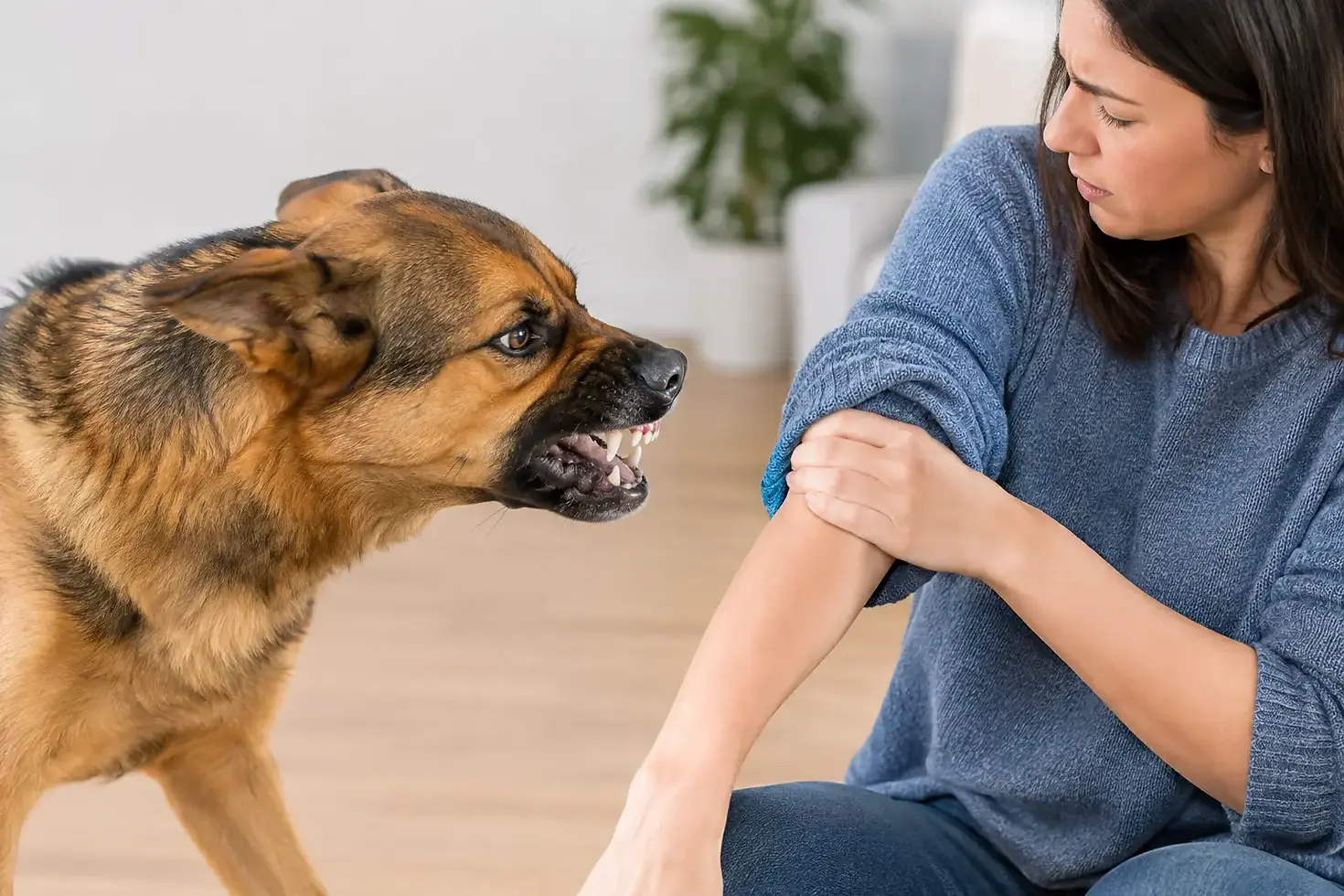
Can Insurance Cover Dog Bites? What to Know

A dog bite can turn into a serious insurance and liability issue in a matter of minutes. Can insurance cover dog bites? Often, yes - but the answer depends on the policy, the dog’s history, where the bite happened, and the coverage limits in place before the incident.
For most homeowners and renters, the relevant coverage is personal liability insurance. That coverage may help pay for an injured person’s medical bills, lost income, legal defense costs, and a settlement or judgment if the policy applies. It is not automatic, and it is not something to guess about after a claim occurs. The policy language and carrier underwriting rules matter.
Can Insurance Cover Dog Bites Under a Homeowners Policy?
Homeowners insurance commonly includes personal liability coverage. If your dog bites a guest, neighbor, delivery driver, or another member of the public, this portion of the policy may respond to a covered claim. Liability coverage can apply both on your property and away from home, such as at a park or while on a walk.
A standard homeowners policy may also include medical payments coverage. This is a smaller no-fault coverage designed for minor injuries. It can sometimes pay an injured person’s immediate medical expenses without requiring that you be found legally liable. Medical payments limits are usually modest, so they should not be confused with the larger personal liability limit.
The key issue is whether the carrier considers the dog and incident eligible for coverage. A policy can have a broad personal liability limit while still excluding injuries caused by certain animals or dogs with a known bite history.
Renters insurance can provide similar personal liability protection. A renter does not need to own the building to be legally responsible for injuries caused by a dog. If you rent an apartment or house, review the liability section of your renters policy and confirm how the insurer handles dog-related claims.
Why Dog Bite Coverage Is Not Always Guaranteed
Insurance companies evaluate risk differently. One carrier may insure a dog without restrictions, while another may apply a breed restriction, a dog liability exclusion, a surcharge, or a required higher deductible. Some carriers focus more heavily on an individual dog’s documented behavior than its breed. Others have stricter underwriting guidelines.
Common situations that can affect coverage include:
A dog has previously bitten, attacked, or injured someone.
The insurer has an exclusion for the dog’s breed or mix.
The dog was used in connection with a business, breeding operation, boarding service, or security activity.
The application did not disclose the dog or its bite history when disclosure was required.
The policy contains an animal liability exclusion or a specific dog-related endorsement.
A prior bite does not always mean coverage is impossible. It does mean the available options may narrow, and the next policy may require more careful placement. This is where an independent broker can be valuable: carrier choice gives you a better chance to compare underwriting approaches rather than accepting a one-size-fits-all answer.
California residents should also avoid making assumptions based on what a friend’s insurer covers. State rules, carrier forms, and underwriting standards can change. Ask for a clear explanation of how your specific insurer handles dog liability before purchasing or renewing a policy.
Liability Limits Matter More Than Most Owners Realize
Many homeowners and renters policies include $100,000 or $300,000 of personal liability coverage. Those limits may sound substantial, but a serious dog bite claim can involve emergency treatment, reconstructive care, therapy, time away from work, and legal expenses. Injuries involving children can be especially costly because treatment and damages may extend over a longer period.
If a claim exceeds your policy limit, you may be personally responsible for the remaining amount. Your savings, future income, and other assets could be at risk, depending on the circumstances and applicable law.
For households with significant assets, higher liability limits and a personal umbrella policy may be appropriate. An umbrella policy generally adds liability protection above qualifying homeowners and auto policy limits. However, umbrella carriers may have their own dog eligibility rules. They can exclude a specific dog, require underlying limits, or decline coverage based on prior incidents. Never assume an umbrella automatically fixes a dog-related exclusion on the homeowners policy.
What Pet Insurance Usually Does - and Does Not Do
Pet insurance is designed primarily to help with your pet’s veterinary expenses, such as accidents, illnesses, diagnostic testing, medications, and surgery, depending on the plan. It generally does not cover your legal liability if your dog bites another person.
Some pet-focused programs may offer limited third-party liability options, but that is not a standard feature of traditional pet health insurance. The right place to look first for dog bite liability is usually your homeowners, renters, condo, or standalone animal liability policy.
Keeping these coverages separate prevents a common and costly misunderstanding. Pet insurance may help if your dog needs treatment after an incident. It is not usually the policy that pays the injured person’s medical bills or defends you in a lawsuit.
What to Do Immediately After a Dog Bite
The first priority is the injured person’s safety. Secure the dog, provide reasonable assistance, and encourage prompt medical attention. Do not argue about fault or make promises about what your insurance will pay.
Exchange contact information and document the facts while they are fresh. Note the date, location, what happened immediately before the bite, who was present, and whether there were witnesses. Take photographs of the area when appropriate, but do not photograph an injury in a way that is intrusive or disrespectful.
Report the incident to your insurance carrier or broker promptly. Late reporting can complicate a claim. Provide accurate information, cooperate with the adjuster, and retain any records related to the dog, including vaccination records, training documentation, and prior incident reports if applicable.
You may also have reporting obligations under local animal control rules. Those requirements vary by location, particularly when a bite breaks the skin or involves a quarantine or rabies observation period. Follow local instructions and keep copies of all correspondence.
Review Your Policy Before There Is a Problem
The best time to ask about dog bite coverage is before a claim, not after one. Pull out your declarations page and confirm your personal liability limit, medical payments limit, deductible where applicable, and any listed exclusions or endorsements. Then ask direct questions.
Does the carrier cover liability arising from your dog? Are there restrictions based on breed, prior incidents, weight, training, or where the dog is kept? Is the dog used for any business purpose? Would a future bite affect renewal eligibility? Is an umbrella policy available, and does it follow the same dog guidelines?
Be fully candid when applying for coverage. Failing to disclose information requested on an application can create major problems at claim time. Accurate disclosure may limit options, but it gives you a policy built on facts rather than assumptions.
At Always Faithful Insurance Agency, the goal is straightforward guidance: review the exposures, compare available carrier options, and make sure you understand where coverage applies and where it does not. That is particularly important for households with dogs, rental properties, children, frequent visitors, or assets that need additional liability protection.
Prevention Still Comes First
Insurance is a financial backstop, not a substitute for responsible pet ownership. Consistent training, secure fencing, leashes in public, supervision around children and guests, and early intervention for fearful or aggressive behavior can reduce the chance of an incident.
If your dog has shown warning signs, take them seriously. Speak with a qualified trainer, behavior professional, or veterinarian, and use practical safeguards such as controlled introductions, gates, clear visitor instructions, and a properly fitted muzzle when recommended. Those steps can protect people, protect your dog, and demonstrate responsible action if a claim ever arises.
A clear policy review today can spare you from discovering a coverage gap when the stakes are already high.


